Romance Glossary · by Sera Voss
Dual POV in Romance: Why You Get to Live Inside Both Lovers' Heads
Dual POV means a story alternates between two characters' eyes.
How the technique deepens romance, builds tension, and earns a second read.
Last updated: 26 June 2026
Dual POV (point of view) is a narrative technique where a story alternates between two characters' perspectives.
The narrative trick that turns every romance into a double agent thriller for the reader.
Each character gets their own chapters or sections, giving the reader access to both internal worlds.
In romance, dual POV is one of the most requested structures because it lets readers experience both sides of a relationship as it unfolds.
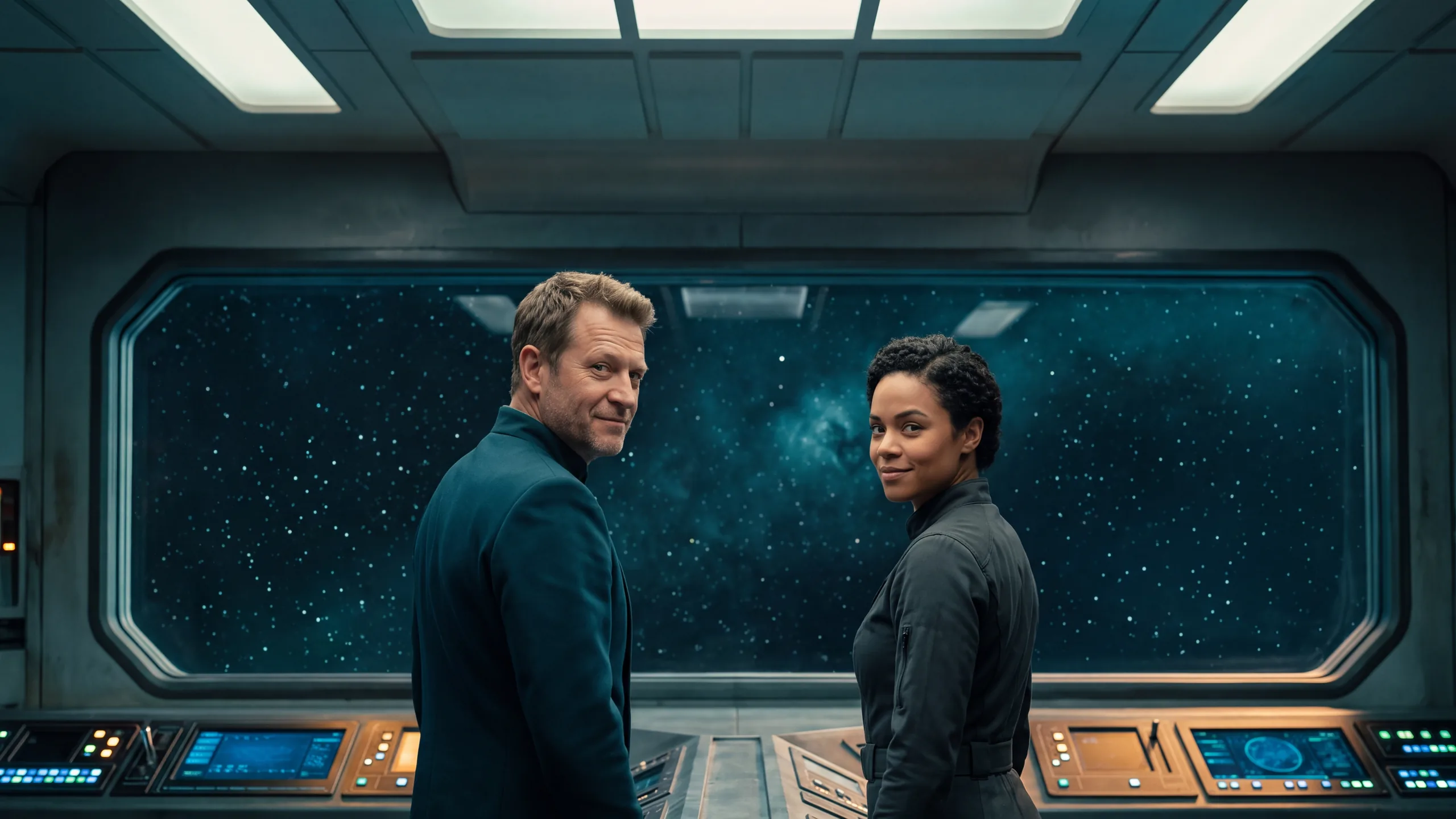
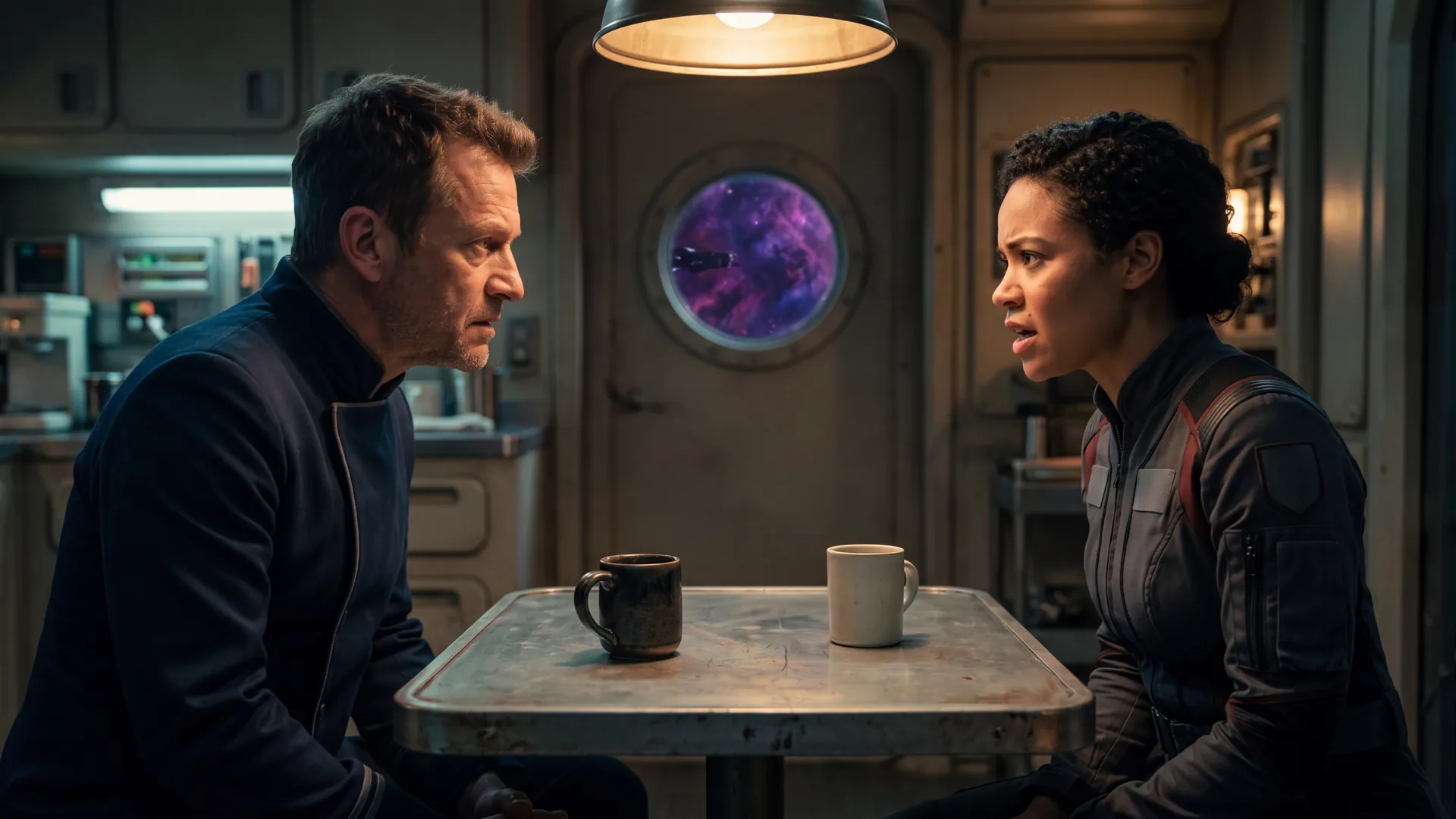
To feel it instead of reading about it: the human only space opera behind all of this runs dual POV through every chapter of an enemies to lovers slow burn.
Chapters one to three are free of charge, with no email collected.
Get inside both heads, freeHow Dual POV Actually Works on the Page
Chapter one might follow Character A. Chapter two shifts to Character B.
The alternation continues throughout the book, sometimes unevenly, depending on whose perspective carries more weight in a given scene.
What makes the technique powerful is dramatic irony.
The reader knows what both characters are thinking, even when the characters themselves do not.
When Character A misreads Character B's intentions, the reader feels the gap between perception and reality.
Experience Dual POV Done Right
Dual POV is standard in science fiction romance, contemporary romance, and romantasy.
It pairs well with enemies to lovers, forced proximity, and slow burn.
All three are central to the standalone with a guaranteed happy ending, a closed door, human only, no aliens slow burn.
For more books built on this structure, see sci fi romance dual POV books.
For the full guide to what this structure does to a love story, see dual POV sci fi romance.
The rest of the terms readers use around it sit in the romance tropes list.
The ebook is $4.99 USD as an EPUB and PDF, yours to keep, launching soon direct from the author.
Australian, EU and UK buyers see the exact GST or VAT inclusive price at checkout.
See the book · $4.99 USD · launching soonFrequently asked questions
What is dual POV in romance novels?
Dual POV is a narrative technique where a romance is told from two characters' perspectives, usually alternating chapters between the two leads.
The reader gets access to both internal worlds and experiences the relationship from both sides as it unfolds.
Why do romance readers prefer dual POV?
Romance is built on emotional reciprocity.
Dual POV lets readers see exactly when the other character starts falling, when a wall cracks, when resistance breaks.
It creates dramatic irony where the reader knows more than either character does.
Ready to Fall Into the Stars?
Enemies. Allies. Something more. The Starfall Accord begins with a single, impossible truce.