Dual POV Space Romance: When Both Sides Complicate Everything
By Sera VossSci Fi Romance Author
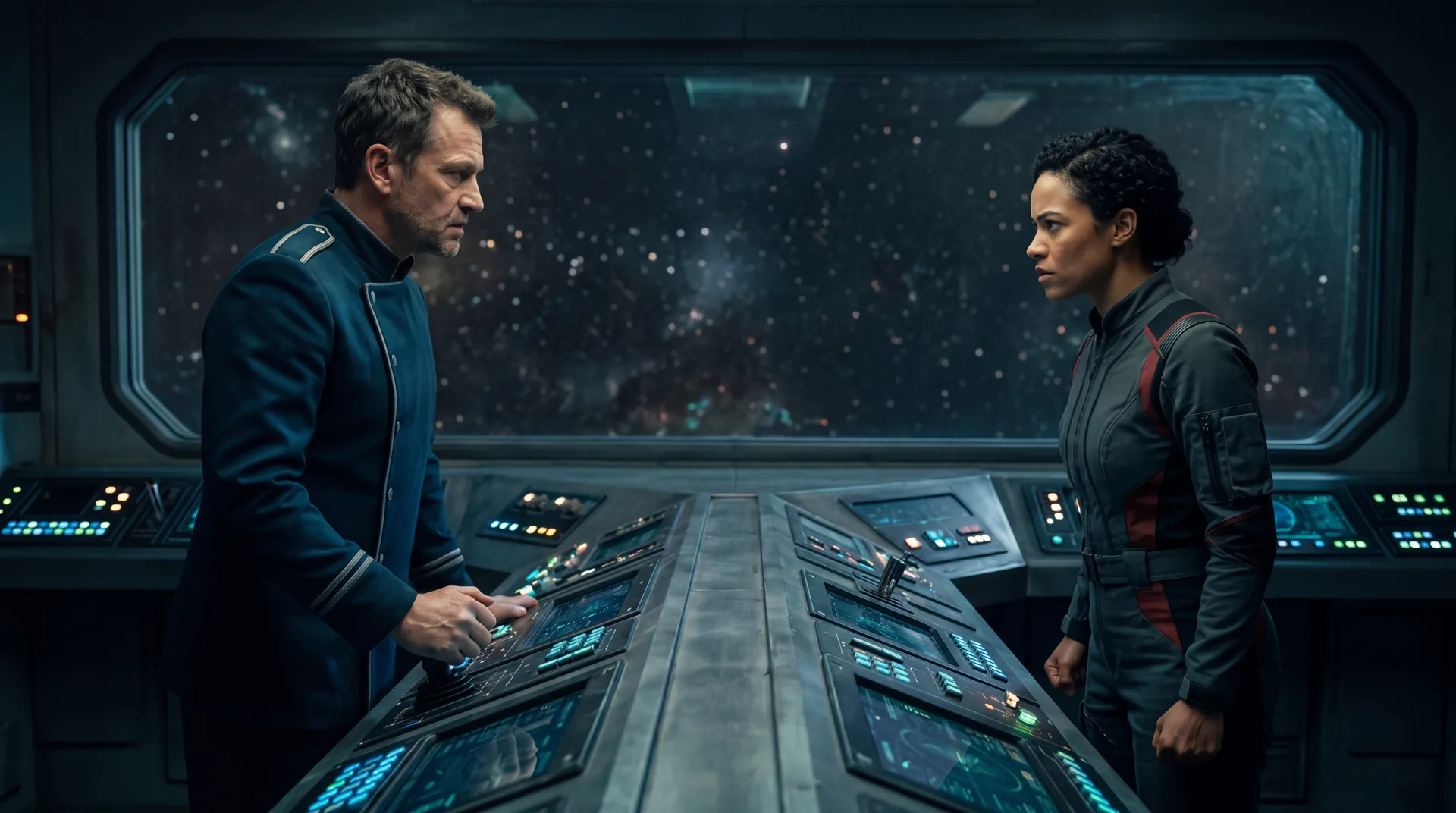
A dual POV space romance tells its love story from both leads' perspectives, usually alternating each chapter, so you feel both sides of the fall inside a galactic setting.
The Starfall Accord by Sera Voss runs that structure through every chapter: his calculation against her hidden mission, aboard one warship neither can leave, closed door, human only, with a guaranteed happily ever after.
For the full guide to the format, see dual POV romance books set in space.
See the book · $4.99 USD · launching soonThe Part That Wrecks You
In a dual POV story, you know what he is feeling before she does. That is the part that wrecks you.
You are inside his head as he rearranges his entire day around a woman who has not looked at him once without narrowing her eyes.
Then the chapter shifts. You are behind her eyes now, and she noticed all of it. She just cannot figure out why it makes her so furious.
He Falls First and You Watch It Happen in Real Time
In a single POV version, his shift would be a mystery you piece together from the outside. Here you are there when it starts for him.
She says something offhand and walks away. You stay with him in the corridor and feel the sentence land like a wound he did not see coming.
She will not know for a long time, and you keep reading both of their chapters knowing what she does not.
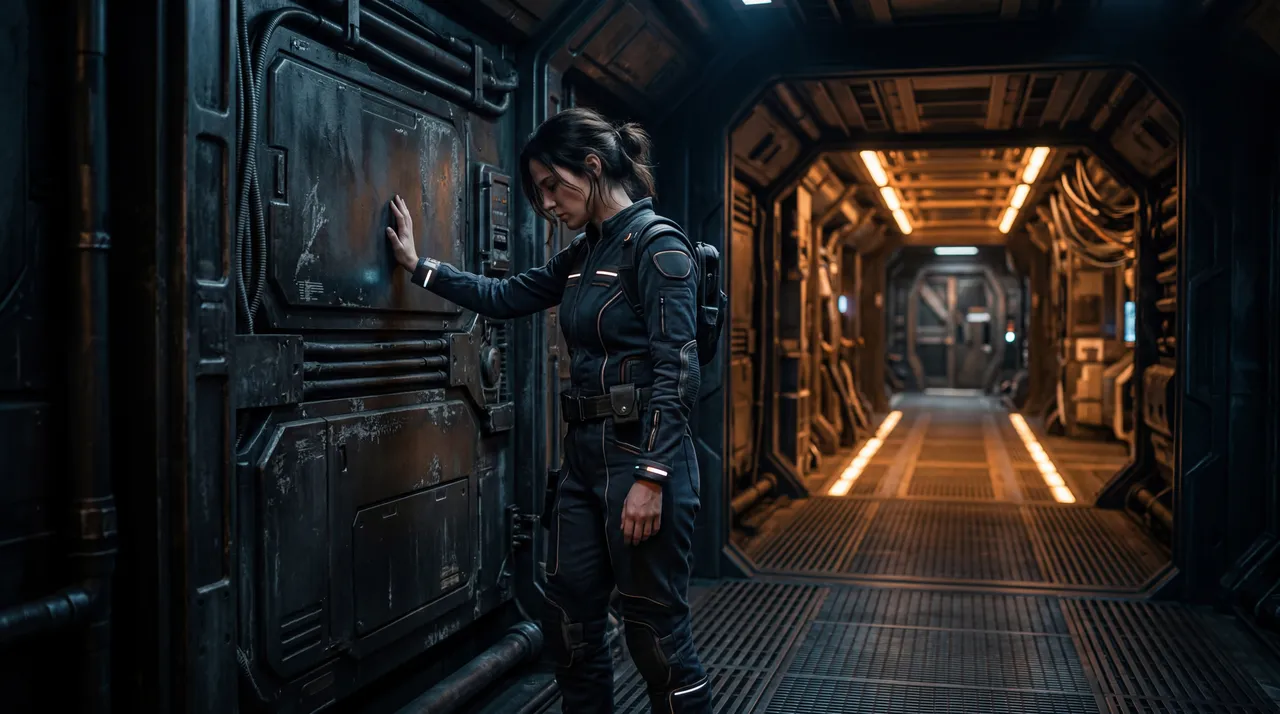
You cannot speed through it, and you do not want to. The ache is the entire point.
What The Starfall Accord Does With This
The Starfall Accord is aimed at precisely that appetite, and the full book and what is in it is one page away.
Two points of view, alternating by chapter, neither favored. The cast is human, there are no aliens in it, the door stays closed, and the happy ending is promised in advance.
You understand why they fight, not just that they fight. Every argument lands differently when you have been inside both the wound and the word that caused it.
The slow burn earns its length because you never lose track of where both characters actually are. When the payoff finally lands, you feel it twice over.
It is not for you if you want heat on the page or an alien love interest, because it has neither.
See the book · $4.99 USD · launching soonWhere to Read a Dual POV Space Romance From Both Sides
Remove the dual POV and this slow burn collapses, because the burn depends on you knowing what both of them are carrying.
For the wider shelf of tropes this slow burn lives inside, the slow burn enemies to lovers shelf breakdown is the next stop.
The sci fi romance ebook page lists every format and purchase option.
The ebook is $4.99 USD as an EPUB and PDF, yours to keep, launching soon direct from the author.
Australian, EU and UK buyers see the exact GST or VAT inclusive price at checkout.
See the book · $4.99 USD · launching soonFrequently asked questions
What is a dual POV space romance?
A dual POV space romance tells the love story from both leads' viewpoints, usually alternating by chapter, set against a galactic backdrop.
You get both characters' interiority, so you feel each side of the attraction and the misunderstanding at once rather than guessing at one from the outside.
Why does dual POV make a slow burn romance hit harder?
Dual POV lets you know what one character feels before the other does, so the tension comes from watching both people misread each other.
The payoff lands harder because you have carried both sides of the story the whole way there, not just one.
Does dual POV mean the book is written in first person?
Not necessarily.
Dual POV refers to whose perspective the reader follows, not the grammatical person.
A dual POV space romance can be written in first or third person.
What matters is that both leads' inner experience is on the page.
Is The Starfall Accord a dual POV space romance?
Yes.
The Starfall Accord by Sera Voss alternates point of view by chapter with neither lead favoured.
It is a closed door, human only space opera with no aliens and a guaranteed happily ever after, priced at $4.99 USD as EPUB and PDF, launching soon direct from the author at spacemance.com.