Romance Glossary · by Sera Voss
Enemies to Lovers vs Rivals to Lovers: What's the Real Difference
Enemies to lovers and rivals to lovers are not the same trope at all.
Here is the real difference, and why it decides which book you should pick.
Last updated: 19 June 2026
Enemies to lovers begins with real antagonism. Rivals to lovers begins with competition.
Both end in romance, but they start in very different places.
Enemies fight each other. Rivals race each other.
One is built on conflict that has to be overcome. The other is built on competition that has to be set aside.
The difference decides how hard the road to the romance feels.
If you want the version with genuine antagonism before genuine feeling, the enemies to lovers slow burn this site was built around sits squarely in the enemies camp.
The hostility is on the first page. Read to the end of chapter three for free, without handing over an email.
Judge the hostility yourselfThe Core Distinction
Enemies to lovers means the characters start as genuine adversaries. They are on opposing sides, they distrust each other, and at least one of them actively works against the other.
Rivals to lovers means the characters start as competitors. They want the same prize, the same job, the same win, and they compete for it without necessarily wishing each other harm.
| Enemies to Lovers | Rivals to Lovers | |
|---|---|---|
| Starting point | Antagonism, opposing sides | Competition for the same goal |
| Underlying feeling | Distrust, sometimes hostility | Respect under the rivalry |
| What must be overcome | Real conflict and broken trust | The need to win |
| Typical stakes | High | Moderate |
| Road to romance | Long and hard won | Sharp but warmer |
True Enemies to Lovers: The Starfall Accord
The Starfall Accord by Sera Voss sits firmly in the enemies camp, not the rivals camp.
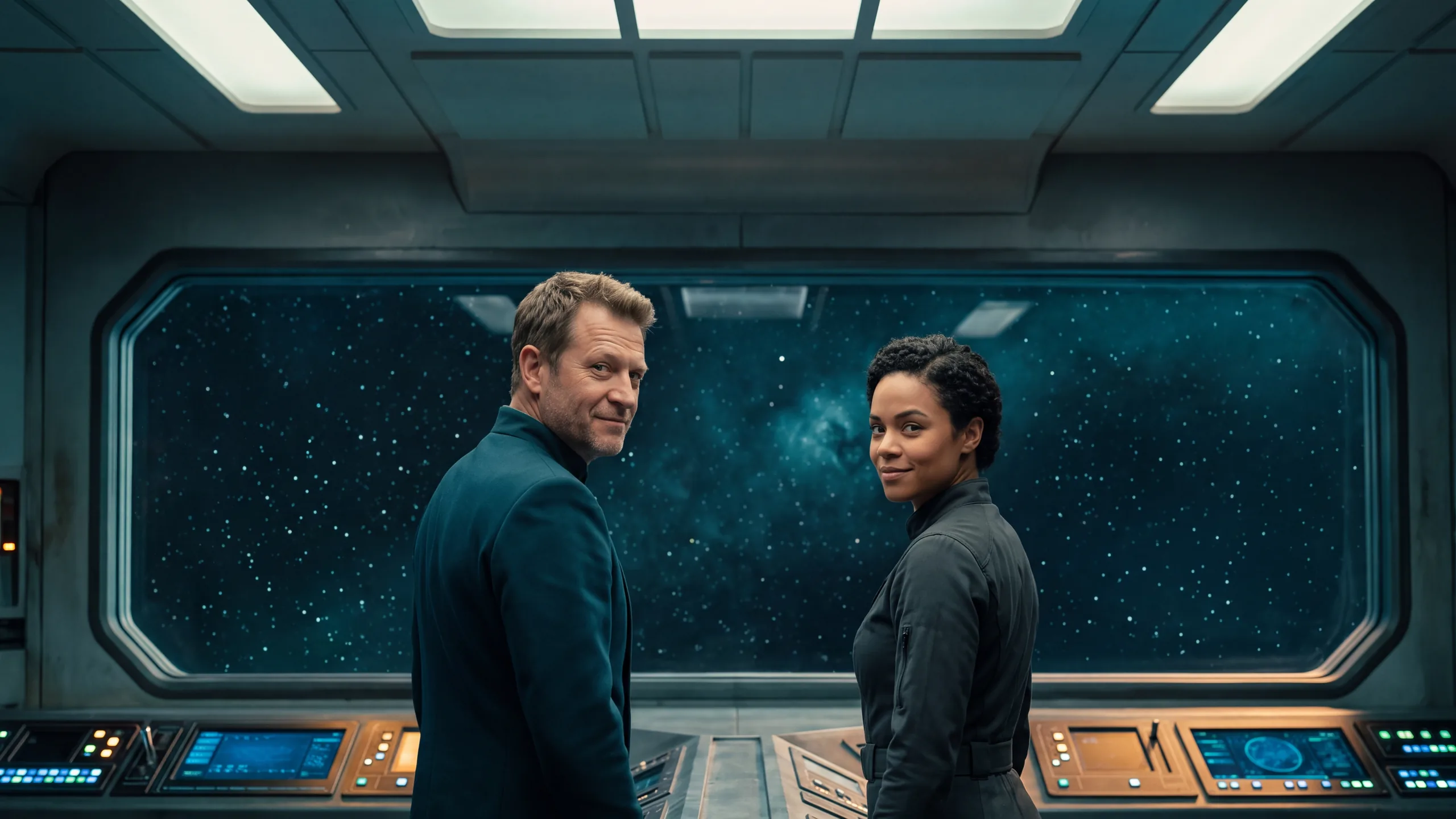
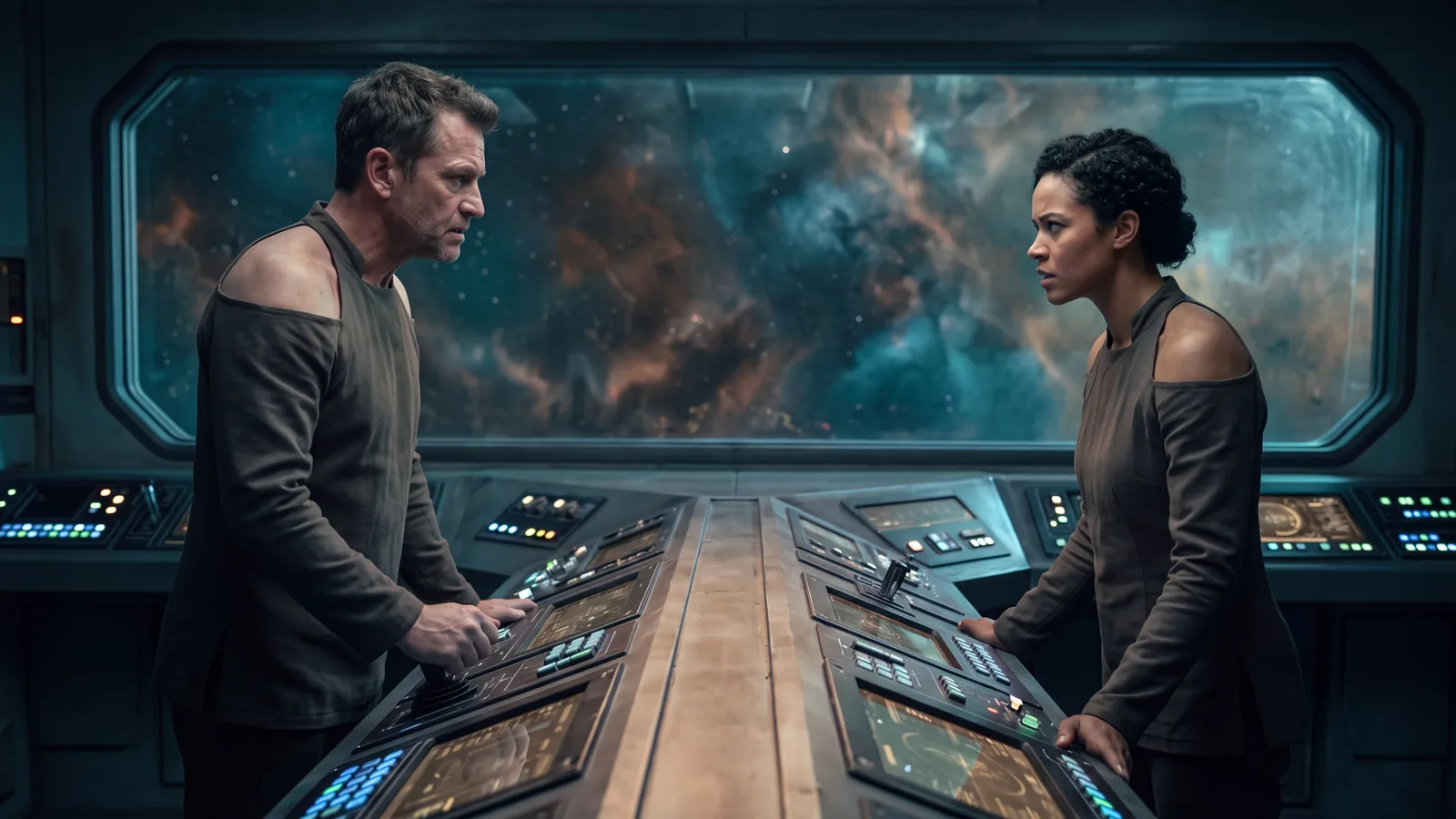
Commander Thane Aldric and Coalition Liaison Kira Vasic do not start as friendly competitors. They start as adversaries.
He holds himself apart, focused on keeping his crew alive.
She arrives owing his command no trust at all, with a saboteur still loose on the ship.
There is real opposition to overcome before there is anything else. It gives the slow burn a real starting line, and the confined ship keeps the two of them in each other's path the whole way.
What the enemies to lovers arc delivers here:
- Real opposition up front, not a rivalry dressed up as conflict
- Both leads narrate, so each side of the hostility arrives in that character's own voice
- A sealed warship that strips away the distance they both want
- No aliens, humans on both sides of the fight, and the door kept shut, so the friction has nowhere to discharge
- One book, one complete happy ending, nothing waiting at the end for a sequel
For more in the genre, see slow burn enemies to lovers books and the best enemies to lovers romance in space.
If you want the version where trust has to be fought for, this is it.
Both labels, and the rest of the trope shorthand, sit in every trope term explained in one place.
Open chapter one at no chargeSera Voss takes the hard road in the book itself. Fourteen chapters of hostility before the first kiss, narrated by both adversaries, human only with no aliens and closed door, closing on a guaranteed happy ending with nothing left hanging.
The ebook is $4.99 USD as an EPUB and PDF, yours to keep, launching soon direct from the author.
Australian, EU and UK buyers see the exact GST or VAT inclusive price at checkout.
See the book · $4.99 USD · launching soonFrequently asked questions
What is the difference between enemies to lovers and rivals to lovers?
Enemies to lovers starts with real antagonism, where the two characters are on opposing sides or actively want to harm or thwart each other.
Rivals to lovers starts with competition, where the two want the same thing and compete for it without genuine hostility.
Enemies fight each other.
Rivals race each other.
Is rivals to lovers just a softer enemies to lovers?
Not quite.
The two build differently.
Rivals to lovers usually carries lower stakes and warmer underlying respect, since competitors can admire each other even while competing.
Enemies to lovers carries real conflict that has to be overcome before trust is possible, which stretches the build into a longer slow burn.
How do I know which trope I actually want?
Decide how much conflict you enjoy before the romance turns.
If you want real antagonism, betrayal, and hard won trust, look for enemies to lovers.
If you want sharp banter, competition, and underlying respect, look for rivals to lovers.
The label tells you how rough the road to the romance will be.
Ready to Fall Into the Stars?
Enemies. Allies. Something more. The Starfall Accord begins with a single, impossible truce.